
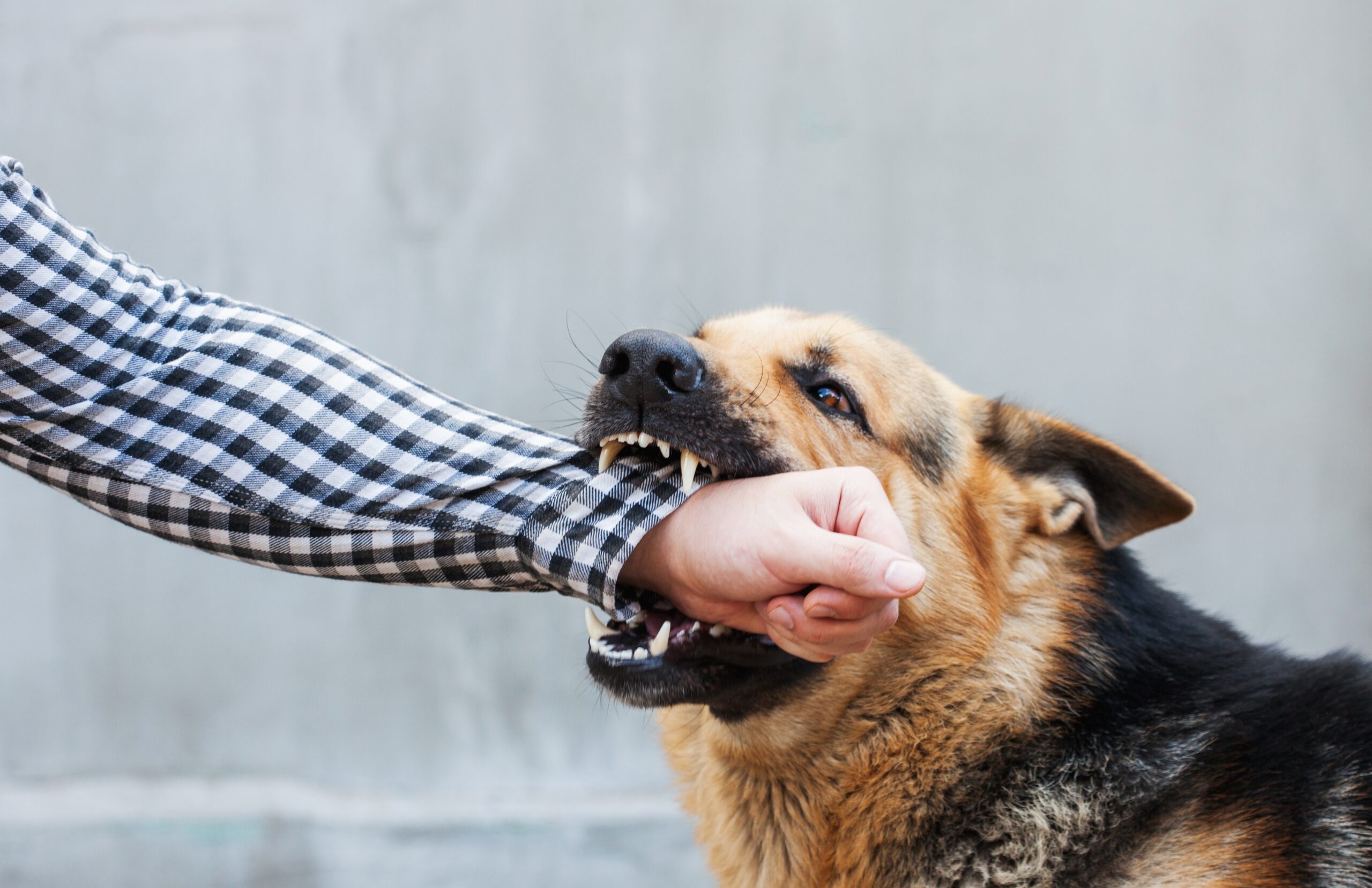
Dog bite laws determine when a dog owner or another responsible party may have to pay for injuries caused by an animal. In the United States, the rules differ significantly by state. Some states impose statutory liability after a qualifying bite, while others rely more heavily on negligence or evidence that the owner knew the dog posed a danger.
How Does Dog Owner Liability Work?
Liability usually depends on the law of the state where the incident occurred and the facts surrounding the attack. Relevant questions can include whether the victim was lawfully on the property, whether the dog was provoked, and whether the owner violated a leash or animal-control rule.
Some jurisdictions use strict-liability statutes, while others retain versions of the traditional “one-bite” approach or negligence principles. The National Conference of State Legislatures provides a useful state-by-state dog liability overview showing how much these rules can differ.
Why the Dog’s History Can Matter
A previous bite isn’t required for liability everywhere. Depending on local law, prior growling, lunging, threatening behavior, escape incidents, or warnings from neighbors may still become relevant when deciding whether an owner knew or should have known the animal presented a risk.
People researching these issues often consult several kinds of material, including general legal reading, but the governing state statute and local rules should remain the starting point. A rule that applies in one state may produce a different result across a state line.
What Compensation May Be Available?
A successful injury claim may seek compensation for losses connected to the attack. Depending on state law and proof, those losses can include medical expenses, lost income, damaged property, scarring, and noneconomic harm such as pain and suffering.
Good recordkeeping matters because insurers and courts generally need evidence tying claimed losses to the incident. Keeping bills, wage records, photographs, and other documents organized is useful even when reviewing broader claims documentation material.
| Type of Loss | Example | Evidence That May Help |
|---|---|---|
| Medical costs | Emergency or follow-up care | Bills and records |
| Lost income | Missed work | Payroll documents |
| Property damage | Torn clothing | Photos and receipts |
| Noneconomic harm | Pain or scarring | Medical documentation |
Evidence and Insurance Issues After a Bite
Photographs of injuries, the location of the incident, witness contact information, animal-control reports, and communications with the owner can become important. A victim should preserve original records rather than relying only on memory weeks later.
Insurance may also affect how a claim proceeds. Homeowners or renters coverage can sometimes become relevant, depending on the policy and circumstances. Broader appeal-focused legal material may help readers understand how legal disputes develop, but insurance coverage and liability questions depend on the actual policy and applicable law.
Recorded Statements Deserve Care
An insurer may request information about how the attack happened. Giving accurate facts matters, but a person doesn’t need to guess about details, injuries, or future medical effects that remain uncertain.
Common Dog Bite Law Misunderstandings
One common mistake is assuming every dog automatically gets “one free bite.” That isn’t a nationwide rule. Many states have statutory liability systems, and negligence rules can create responsibility even without a previous bite.
Another mistake is assuming ownership alone settles every case. Landlords, property managers, caretakers, or other parties may sometimes become relevant, but their responsibility depends on specific facts and state law.
When Should You Get Legal Help?
Legal advice may be worth seeking promptly when injuries are serious, liability is disputed, the dog has a documented history of aggression, a child was injured, or an insurer is requesting a release or settlement.
Deadlines for injury claims differ by jurisdiction, so waiting can affect available options. Immediate medical attention should take priority when a bite causes heavy bleeding, deep wounds, infection concerns, or other urgent health problems.
Frequently Asked Questions
Can I recover compensation if the dog never bit anyone before?
Possibly. Prior biting history is not required under every state’s law. Strict-liability statutes and negligence rules may allow claims based on other facts surrounding the attack.
Does provoking a dog affect a claim?
It can. Some state statutes recognize provocation or related defenses, but the meaning and effect of provocation depend on the jurisdiction and circumstances.
Can a landlord be responsible for a tenant’s dog?
Sometimes, but landlord liability is far from automatic. Courts may consider control over the property, knowledge of the animal, lease provisions, and applicable state law.
Protect the Evidence Early
A dog bite claim often turns on details that disappear quickly. Photograph injuries, preserve medical and financial records, identify witnesses, and obtain applicable animal-control information. Because dog bite laws vary sharply between states, anyone facing substantial injuries or disputed liability should consider obtaining advice based on the law where the incident occurred.
This article is for general informational purposes and is not a substitute for professional legal advice.