
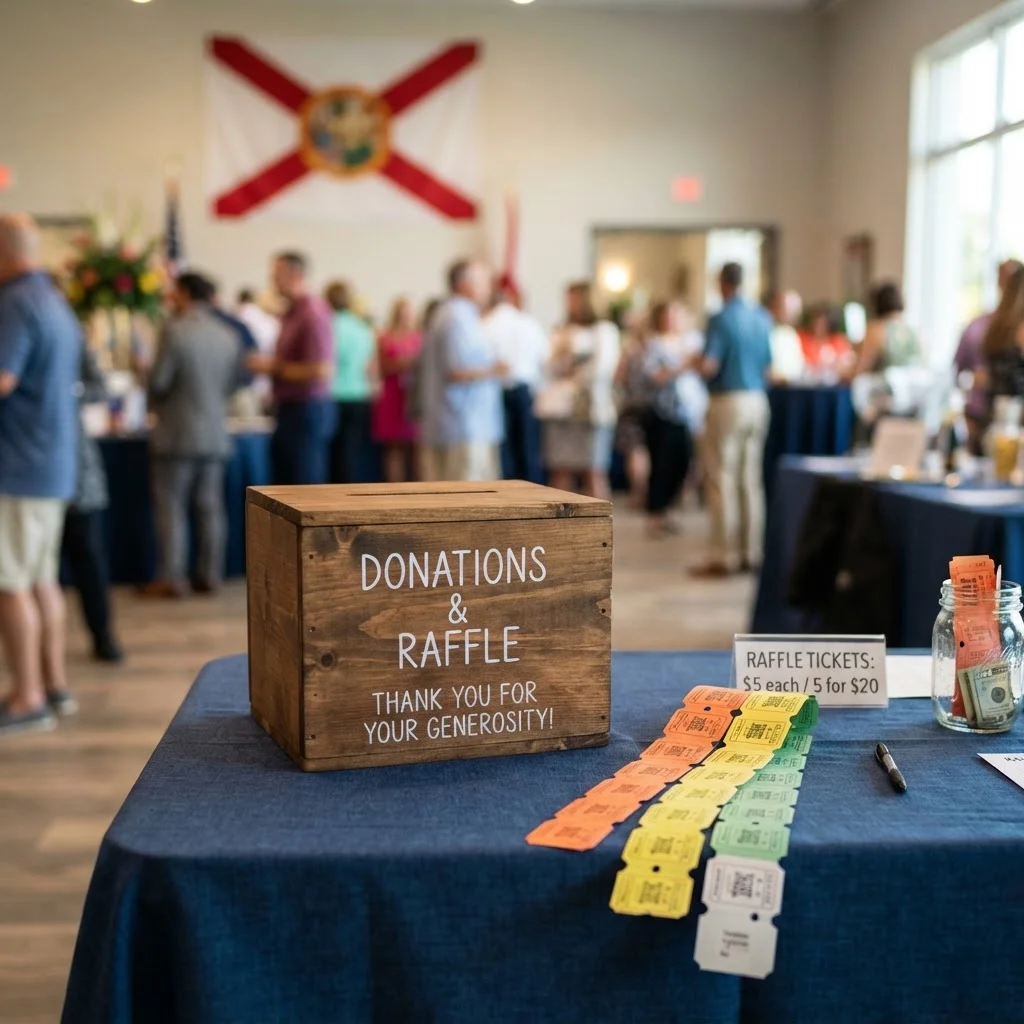
Fundraising events can involve more legal obligations than collecting donations and issuing receipts. A nonprofit may need to consider charitable-solicitation registration, gaming rules, local event permits, donor disclosures, tax reporting, and restrictions on how raised funds are used.
Requirements differ substantially by state and sometimes by city or county. The IRS notes that many states regulate charitable solicitation and may require registration before an organization asks residents for contributions.
Registration May Come Before Fundraising
A charity should first determine where it will solicit donations. Registration obligations can be triggered by fundraising directed at residents of a state, even when the organization itself is incorporated elsewhere.
State exemptions also vary. Churches, schools, small charities, or membership organizations may qualify for exemptions in some jurisdictions, but an exemption shouldn’t be assumed without checking the governing rules. The IRS advises organizations to consult the appropriate state agencies before soliciting contributions.
Organizations reviewing their public communications may encounter regional publishing coverage alongside government pages and nonprofit resources. General online material can provide context, but registration decisions should be based on the rules of the jurisdictions where fundraising occurs.
Raffles Can Trigger Separate Gaming Rules
A raffle is not automatically treated like an ordinary donation campaign. The IRS classifies raffles among gaming activities and notes that gaming is normally regulated under state and local law. Tax consequences may also arise depending on the activity and circumstances.
A nonprofit should verify whether charitable raffles are permitted, which organizations may conduct them, whether advance registration is required, and what rules govern ticket sales and prizes. Some jurisdictions impose restrictions on who can sell tickets or how proceeds may be spent.
The IRS also maintains specific reporting guidance for gambling winnings, including raffles. Reporting and withholding requirements can depend on the prize and other factors.
| Compliance Area | Question to Check | Possible Requirement |
|---|---|---|
| Solicitation | Where are donors located? | State registration |
| Raffle | Is charitable gaming allowed? | Permit or registration |
| Prize | What is being awarded? | Tax reporting |
| Venue | Where is the event held? | Local permits |
Disclosures Should Match the Fundraising Message
Fundraising materials should clearly identify the organization and avoid misleading statements about how contributions will be used. Restrictions become especially important when donations are solicited for a particular project, emergency, scholarship fund, or named program.
Teams comparing public communications through local information channels and similar publications should separate general outreach ideas from legal disclosure requirements. State charity regulators may prescribe language, registration numbers, financial disclosures, or other information for certain solicitations.
Federal law also requires certain tax-exempt organizations that cannot receive tax-deductible charitable contributions to provide a conspicuous statement explaining that contributions are not deductible.
Records Matter After the Event Ends
Good compliance continues after the final guest leaves. Organizations should retain records of gross receipts, expenses, restricted donations, prize values, contracts, deposits, and amounts transferred into charitable programs.
Those records help the board explain what happened financially and support later regulatory or tax filings. Periodic state reports may request financial information beyond what was required during initial registration.
General community news resources may help organizations understand how events are discussed publicly, while internal records should rely on contracts, receipts, accounting entries, board approvals, and official regulatory guidance.
Common Fundraising Compliance Mistakes
A frequent mistake is treating nonprofit status as a universal exemption. Federal tax exemption does not automatically eliminate state registration rules, local permits, gaming restrictions, sales-tax questions, or prize-reporting obligations.
Another problem is changing the stated purpose of restricted donations after money has been collected. Event organizers should make sure marketing language, donation forms, accounting records, and actual spending remain consistent.
When Legal Review Is Worth Considering
Legal review can be useful before a large raffle, multi-state campaign, high-value prize drawing, commercial fundraiser arrangement, or event involving restricted charitable funds. Advice may also be appropriate when registration was missed or a regulator has requested information.
Because fundraising regulation varies by jurisdiction, an attorney familiar with nonprofit and charitable-solicitation law can help determine which state and local requirements apply.
Frequently Asked Questions
Do nonprofits need permits for fundraising events?
Sometimes. Requirements depend on the location and activity. Charitable solicitation, raffles, alcohol service, street events, food service, occupancy, and temporary signs can each involve separate state or local rules.
Can a nonprofit run a raffle anywhere in the United States?
No single nationwide rule authorizes every nonprofit raffle. State and local gaming laws determine whether raffles are permitted and which organizations, registrations, procedures, and restrictions apply.
Are raffle prizes taxable to winners?
Raffle winnings are generally treated as gambling income for federal tax purposes, and reporting or withholding rules can apply depending on the circumstances.
Build Compliance Into Event Planning
Fundraising compliance works best when it starts before tickets, advertisements, or donation requests go public. Identify the jurisdictions involved, determine whether charitable-solicitation and gaming rules apply, document restricted funds, and retain complete financial records. For unusual events or multi-state fundraising, getting legal guidance early can prevent difficult corrections later.
This article provides general legal information and is not a substitute for advice from a qualified attorney.