
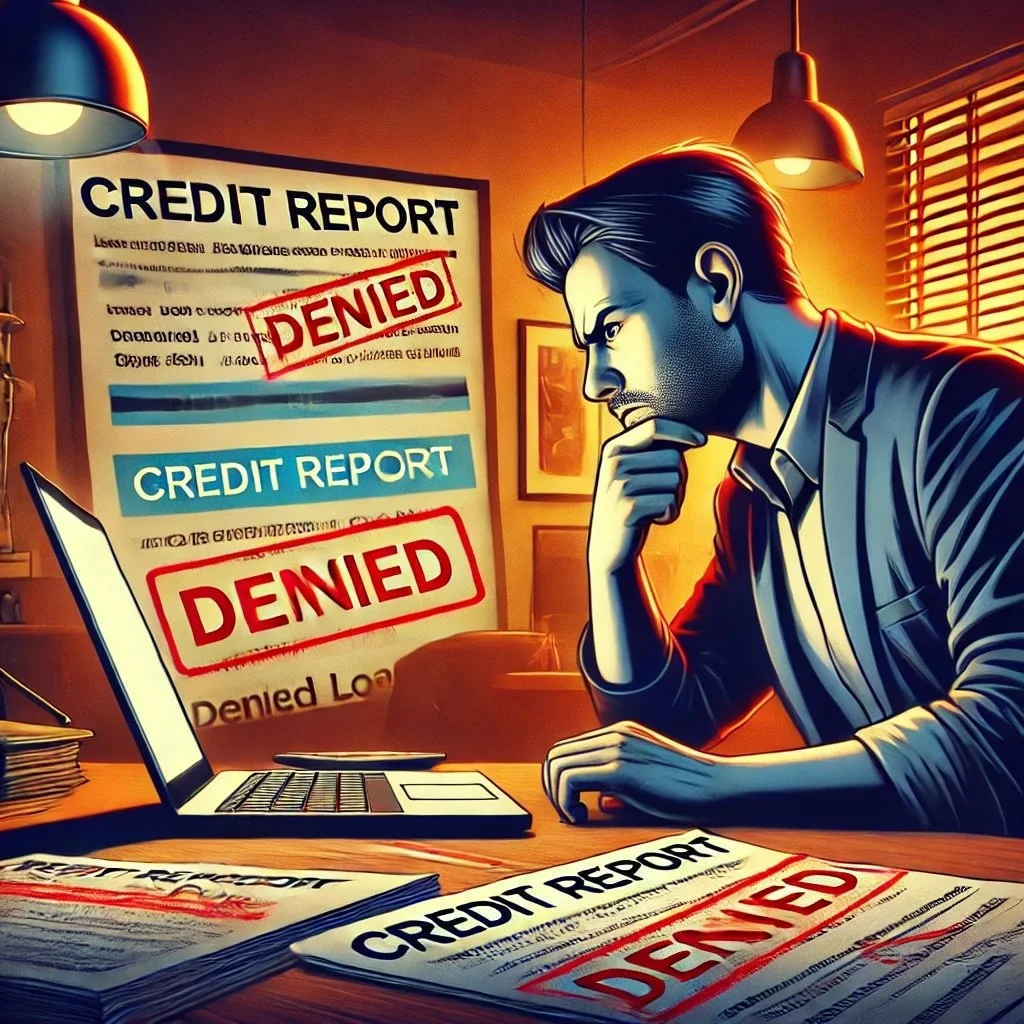
Credit reporting laws give consumers important rights when information in a credit file is inaccurate, incomplete, mixed with another person’s data, or tied to identity theft. The federal Fair Credit Reporting Act, commonly called the FCRA, sets many of the core rules, while state laws can add protections. A dispute does not guarantee removal, but it can require an investigation.
What Rights Does the FCRA Provide?
The FCRA regulates consumer reporting agencies and companies that furnish information to them. Consumers generally have the right to obtain information in their files and challenge inaccurate or incomplete entries.
Current CFPB credit-report dispute guidance explains that consumers can dispute information with both the reporting company and the business that supplied it. A reasonable investigation generally must follow when the dispute contains enough information to investigate.
People researching financial topics may also encounter broad regional information coverage, but credit-report rights in the United States should be checked against applicable federal and state law.
What Information Can Be Disputed?
A dispute can involve more than an account a consumer says is completely unfamiliar. Errors may include incorrect balances, duplicated debts, accounts belonging to somebody with a similar name, incorrect delinquency dates, or an account listed under the wrong ownership status.
The CFPB identifies mixed files, identity-theft accounts, incorrect payment histories, and inaccurate balances among common reporting errors. Consumers comparing explanations from general online publications should still rely on their actual reports and documentation when identifying a problem.
| Reporting Problem | Possible Issue | Useful Response |
|---|---|---|
| Account is not yours | Mixed file or identity theft | Dispute and document identity |
| Wrong late-payment status | Furnishing error | Provide payment records |
| Duplicate account | Same debt reported twice | Identify both entries |
| Incorrect balance | Outdated or inaccurate data | Supply current statements |
How Does the Dispute Process Work?
A strong dispute clearly identifies the account or data field being challenged and explains why it is wrong. Supporting documents may include statements, payment confirmations, identity-theft records, correspondence, or other evidence connected to the disputed entry.
The reporting company may reject a dispute it reasonably considers frivolous or irrelevant, including one that lacks enough information to investigate. That makes specificity important. Readers may find digital reading resources useful for general context, but the dispute itself should focus on verifiable facts.
If the furnisher determines that information it supplied was wrong or cannot be verified, it generally must correct or remove the information and notify relevant reporting companies.
What People Often Misunderstand About Corrections
A legal dispute right is not a general right to erase accurate negative history. Accurate information may remain even when it hurts a credit score.
The CFPB warns that accurate negative information generally cannot simply be removed because a consumer dislikes it. Most negative information is subject to reporting time limits, and identity-theft information or data belonging to someone else can raise different issues.
Another mistake is assuming that a credit-repair company has special powers. Consumers can dispute qualifying inaccuracies themselves without paying a third party.
When Should You Consider Legal Help?
Consider professional assistance when a serious reporting error continues after documented disputes, when another person’s information is repeatedly mixed into your file, or when identity theft creates significant financial consequences.
Legal help may also matter if inaccurate reporting causes a denied mortgage, employment problem, housing issue, or other measurable loss. Deadlines and remedies can depend on the specific facts, so keeping copies of reports, letters, investigation results, and supporting records is useful.
Frequently Asked Questions
How long does a credit report dispute usually take?
Furnishers generally must investigate qualifying disputes within the time required by federal law, often around 30 days, although the exact timeline can vary depending on circumstances and additional information.
Can accurate negative information be disputed?
You may question whether information is complete or accurately reported, but a dispute does not create a right to remove information merely because it is unfavorable when it is otherwise accurate and legally reportable.
Should I dispute with both the bureau and the furnisher?
That is often a sensible approach. CFPB guidance recommends contacting the credit reporting company and the business that furnished the disputed information so both sides receive notice of the claimed error.
Protect Your Record With Documentation
Credit reporting disputes work best when they are precise, supported, and directed to the correct companies. Review the actual information being reported, identify the exact error, preserve evidence, and follow up on investigation results. If the problem continues or creates serious financial harm, state-specific consumer remedies and professional legal advice may become important.
This article provides general legal information and is not a substitute for advice from a qualified attorney about your situation.